The Basics of Meal Prepping

In my mind meal prepping means healthy food consumption minus the day to day decisions and time around food prep.

Meal prepping for me only works if the food you are preparing is 100% what you should be eating. In my mind unhealthy casseroles don’t count, regardless of the amount of leftovers.

Often in my office I am asked how do I meal prep knowing as much as I do about food nutrition and health? Each and every time I meal prep I take 3 variables into consideration- Protein, Fat and Micro nutrients in Vegetables. I then create a theme using these ingredients that allows me to mix and match meals.

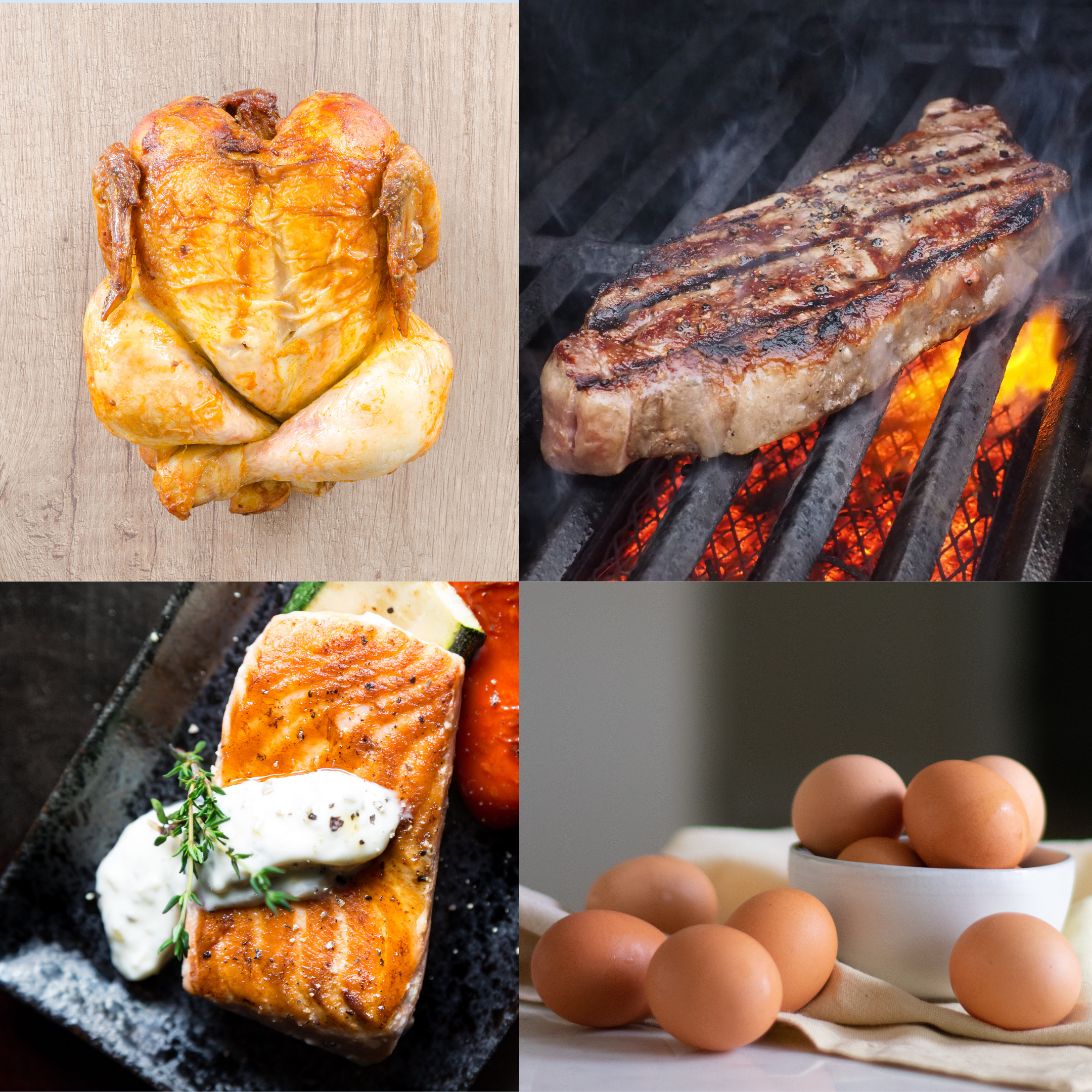
  1. Protein: Pick 1 for the week (Chicken, beef, quinoa, turkey, eggs)- you can add spices and sauce to mix it up. I love that I can use my pressure cooker, crock pot or simply roast chicken breasts in a flat pan at the beginning of the week, or on a Sunday to use for lunch or dinners. Protein can also be added to a simple salad and can be easily packed for on the go meals!
  2. Fat: Healthy fats are necessary for meal prepping- think Kerrygold butter, a good grass fed better is a great way to finish off cooking your protein. Mix in collagen to your sauces and soups! I love hiding things so that mid day I am not thinking about how I am going to get a good healthy fat into my day. Cook your meat, fish or vegetables in coconut oil, not only will it taste delicious you will be fueling your body!
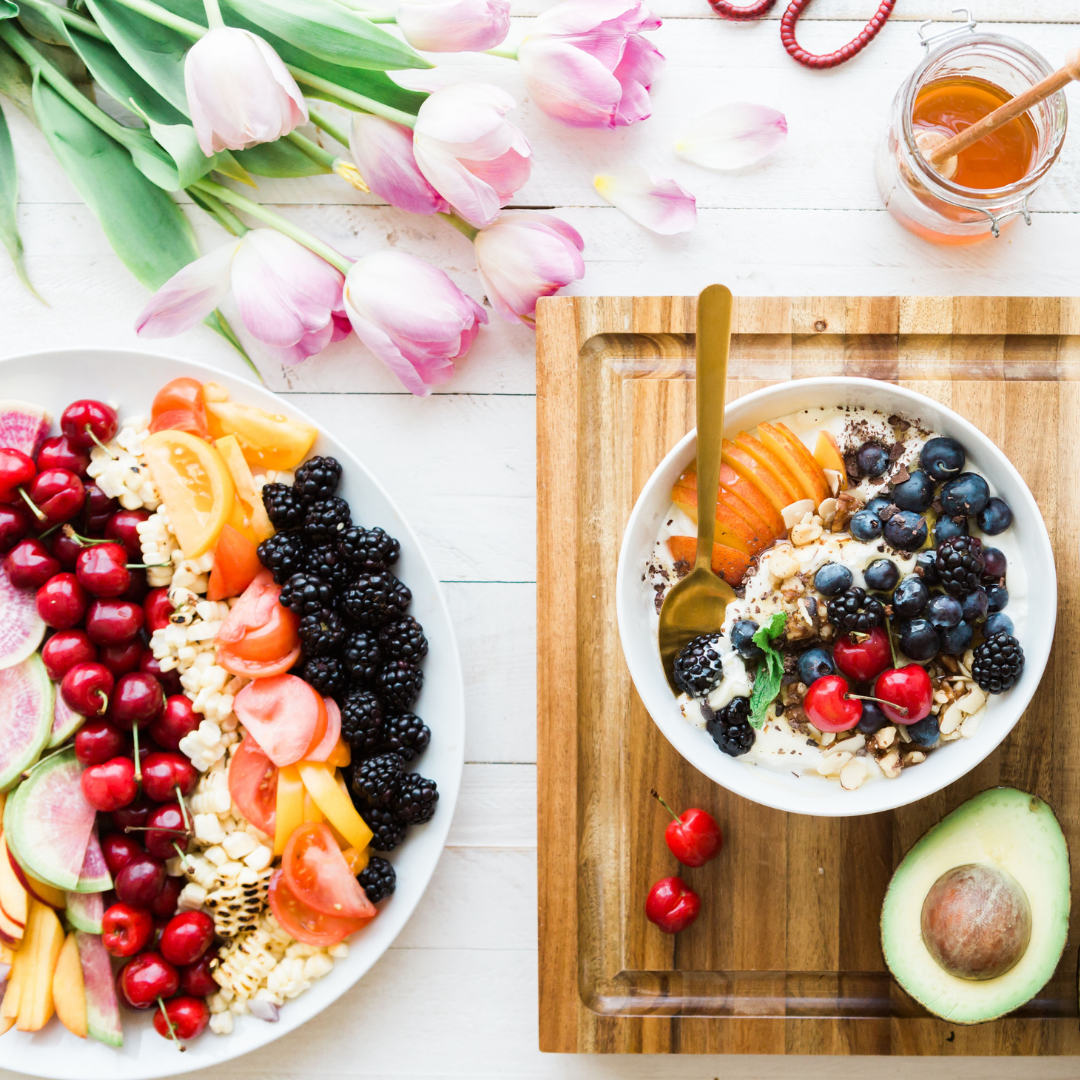
  3. Nutrients in Vegetables: I like to think about my meals looking like the rainbow! Vegetables allow you to fill your plate with colorful, amazing food that fuels you for the entire day! Vegetables are easy to roast in the oven, saute or simply eat raw. The only thing I am careful of is not over consuming to many starchy vegetables.

Other helpful hints I learned over the years:

  1. Cut and make all at the same time- if I’m elbow deep in meal prep there is no reason to save some of the food I bought to meal prep at a separate time, do it all at once!
  2. Prep all salad ingredients as well- hard boil eggs, make quinoa, crush walnuts/almonds- currently I buy the organic arugula that I literally can grab by the handful and toss in a bowl. This has helped me to get back into salads and arugula can last a really long time!
  3. Prepackage as much as you can especially if you are taking it for lunch or you eat a lot of meals on the go. The goal is to make the grab and go stress free and healthy!
  4. Freeze cut up bananas as a quick snack to go
  5. Keep snack mix (choose carefully), nuts, etc on hand for in between meals. I am a huge fan of fresh, whole ingredients, limiting snacks that aren’t quite potato chips is also helpful- small choices make a huge difference (if you have kids- you are leading by example)
  6. Keep apples everywhere! Jamie leads by example on this one- great snack for the kids and dogs, great to add to salads, easy to store and grab on the way out the door.

Have fun with meal prepping and don’t get too hard on yourself when the family doesn’t love a meal! Hint: there are meals they won’t like even if you hadn’t meal prepped it prior. The goal is to take the guess work and stress out of feeding your family healthy food. Let the oven, crock pot or instant pot do all the work while you enjoy the benefits! Bon Appetit!
Don’t Forget the Protein

I love that on the blog this month we are talking about healthy food choices! It is so easy, especially in the winter to find ourselves making quick, not so healthy choices when it comes to food. As temperatures plummet many find that their appetite increases. I know for me it is easier in the winter to grab pita chips instead of carrots when enjoying hummus. I also notice that I tend to eat a less colorful plate, a less well- rounded diet, many times skipping the important protein that my body craves.

Here are some easy ways to incorporate more protein into your everyday eating routine. For breakfast swap your cereal for an egg. Eggs are full of great protein that will keep you fuller longer. We love the Costco organic eggs, you get 24 for the price of one dozen at a regular grocery store. You can also swap breakfast for a protein shake! At our house we use Garden of Life Raw Protein and Greens, this alone contains 20G of necessary protein. I love adding Bone Broth Powder to these shakes with a banana and I am good to go! (Disclaimer: these links are not affiliate links)

Adding protein to your lunch can be just as easy, grill up organic chicken or add pecans to your salad. You can also find creative ways to add lentils to your soups, hummus to your sandwiches and tahini to your salad dressings. I enjoy getting the kids involved in finding fun ways to incorporate healthy proteins and snacks in their lunches. As I have talked about before this not only holds them accountable for packing their lunch but it helps them to learn about healthy choices.

Experts say that adults over 50 are on average 35 pounds heavier then when they graduated from high school. Experts also warn that on average we gain about 2-3 pounds every winter, and that very few of us lose that weight over the summer months. When we know about healthier choices we can make them!

For me dinner is the easiest time to get your protein in and the hardest time to remove unnecessary and heavy carbohydrates. Add in lean proteins like chicken and fish along side a sweet potato. Remove sides such as rice and pasta, and add in an extra vegetable! What is your favorite healthy swap? For me its adding an additional vegetable or sweet potato!

Be sure to check out Deanna’s video’s this month where she shares her healthy snacks and recipes! Dr. Sara and I would love to hear from you – keep us up on all things you are doing to maintain healthy habits this February!

Tasty and Healthy Snacks

Who does not love a good snack!!!??? It holds you over until your next meal, it fills in with boredom (hint: it has been catastrophic for many during a pandemic) … So I just wanted to touch on some healthy snacks that I keep in my house to help keep me on track.

  1. Mixed nuts- they are dense, full of fatty acids to help with hair, skin, and nails, and good overall cell processing.
  2. Beef jerky- make your own or buy it… Be mindful to look for added colors, sugars, etc.- the jerky I normally eat has 0 g of sugar. The whole point of a healthy snack is to be able to indulge on a bad day without the long term health effects. Processed sugar in any form is slowly ruining our health.
  3. Trail mix- buy organic, watch the sugar- more nuts and seeds (or make your own)
  4. Celery or apples with peanut butter (almond butter, cashew butter)
  5. Carrot sticks- this one is magical for me! I keep uncut, organic carrots in my fridge and would always throw them away- not anymore- great to grab and snack on, sometimes I miss the crunch of chips, this helps so much!
  6. Hard-boiled eggs
  7. Protein shake- so many options out there. The biggest downfall is adding far more sugar-containing fruits (strawberries, bananas) than you have blood sugar, counter act that by adding stabilizing vegetables (spinach, kale). I’ll tackle making a smoothie on Wednesday’s live
  8. Avocadoes with Everything seasoning – I recently found “everything seasoning’ at Costco and it has changed my life! Cut an avocado in half- add some seasoning- delicious!
  9. Cut up frozen bananas- great for the evenings when you are craving sugar (ice cream, brownie, cookie)- although high on sugar content- great as an alternative and will fill that sweet tooth.
  10. Chia seed pudding- I usually mix chia seeds with unsweetened non-dairy milk (almond, coconut, oat) and add some cinnamon- 20 minutes in the fridge and the chia seeds absorb so much that it thickens it… nice change of pace.

Remember, snacking on the road is also important! Do not find yourself getting hungry without any options. Think ahead so you do not have to worry about making a less than desirable decision. Happy snacking!

Get your kids outside!

Over this last month, Dr. Sara and I have spent time sharing with all of you the importance of exercising during the winter months. Exercise is an essential part of my routine and it should be for you as well. Exercise doesn’t have to mean hours at the gym, sweating on the treadmill and lifting weights. It can be as simple as walking around your neighborhood, taking the stairs instead of the elevator or parking in the back of the parking lot. Activity is just as essential for our children, especially as many of them are attending school in a virtual or hybrid platform.

In my last post I shared the concept of getting outside for 1000 hours. I received many comments and questions around this idea of being in nature for 1000 hours, asking, how do you get your kids outside? Is this truly attainable? Yes, it is attainable, you can intentionally get outside! You can also intentionally create time for your children to get outside.

In fact today, my littles came home from school and immediately asked can we go outside? Can we see if our friends can play? They ran inside, washed hands, grabbed dry snow pants and played outside with their friends until we called them in for dinner. It is important for them to not only get fresh air but it is imperative that they run off that after-school energy. Getting outside also prevents them from requesting technology, no time for television or devices if they aren’t within reach.

I am thankful that they enjoy the cold weather, especially sledding with friends. We haven’t had any major snowfalls yet this year but they have found creative ways to sled. I love watching them find ways to play outside during all seasons.

We also decided to sign the kids up for ski club this year, neither of them have skied, I am not a skier, thankfully my husband is! My husband and I knew that this would be a good way to not only get them out during this winter but for many winters to come. Before we know it they will be hitting the slopes with their friends!

All of this activity leads them to less time on technology and allows them to boost their immune system, sleep better and create healthy habits. This also teaches them how to spend their time wisely. Let us not forget that this also gives Mom a tiny break from the madness! You will never regret getting outside!

Winter Gear 101

Anybody else find it counter-intuitive that you have to wear thinner layers to stay warmer when you are outside for the winter? I’d rather feel like I have 25 coats on then have a thin layer on and be afraid that all that space not being taken up by clothing is going to cause me to be cold. I enjoy the cold weather but also want to do so in a safe way that doesn’t drop my body temp to low.

            Here are a few of my suggestions when deciding how to dress for the weather:

  1. Know yourself- are you usually warm? Or cold? I am usually cold so I know that I dress in another layer than everyone else, never hurts to put on another layer and have to take it off
  2. Invest in some key pieces- we just recently bought a base layer set from Costco that goes until normal clothes- super inexpensive but worth having

Consider: base layer bottom, base layer top, something thin and moveable to cover your neck, and a thicker pant for days that drop into the 30s

  • Make sure you can move in whatever you wear- most people going outside in the cold need to be able to walk- if you are dressed in such a limited way then it will be an unenjoyable experience- when we go biking, I wear an extra layer of pants that have to conform to my legs- for practicality I can’t be worried about the fabric getting stuck on the pedal or in the chain-same thing with gloves, if you can’t bend your fingers in gloves then you can’t open a door, hold onto a handlebar or hold a beverage
  • The top of your head, neck, and your ears will go cold the fastest- don’t take for granted how simple yet effective a good headband will go. I usually prefer headbands to hats because it is less bulky and some people want to wear a hood
  • Stop being so afraid to go outside when it is cold- don’t think about it just do it! Some of the most amazing turn arounds to a bad day have been after a nice long walk in the cold weather
  • The goal is wind-resistant gear, not just layers- you need gear, including shoes that helps protect against air flow-helps keep the body heat in
  • I grabbed some thin wool socks to go with my bike shoes and with boots- anklet socks only invite in cold air and can shorten your trip outside

I’ll talk about some specific favorites I have that follow the list above in case you are eager to get out and enjoy the cold weather!